Haryana Govt to recommend CBI probe into death of ex-Punjab DGP Mustafa’s son

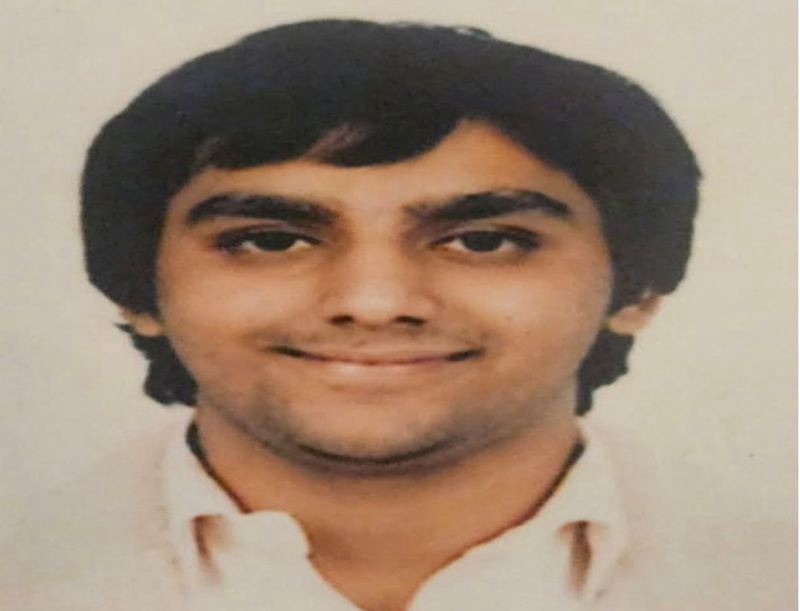
ਸ਼ਿਕਾਇਤਕਰਤਾ ਦੇ ਅਨੁਸਾਰ, ਆਕੀਲ ਅਖਤਰ ਦੀ ਮੌਤ ਰਹੱਸਮਈ ਹਾਲਾਤਾਂ ਵਿੱਚ ਹੋਈ ਸੀ ਅਤੇ ਉਸਦੇ ਅਤੇ ਉਸਦੇ ਪਰਿਵਾਰ ਵਿਚਕਾਰ ‘ਭਿਆਨਕ ਅਸੰਤੋਸ਼’ ਸੀ।
ਹਰਿਆਣਾ ਸਰਕਾਰ ਪੰਜਾਬ ਦੇ ਸਾਬਕਾ ਡੀਜੀਪੀ ਮੁਹੰਮਦ ਮੁਸਤਫਾ ਦੇ ਪੁੱਤਰ ਅਕੀਲ ਅਖਤਰ ਦੀ ਮੌਤ ਦੀ ਜਾਂਚ ਕੇਂਦਰੀ ਜਾਂਚ ਬਿਊਰੋ (ਸੀਬੀਆਈ) ਨੂੰ ਕਰਨ ਦੀ ਸਿਫ਼ਾਰਸ਼ ਕਰਨ ਜਾ ਰਹੀ ਹੈ।
ਪੰਚਕੂਲਾ ਪੁਲਿਸ ਦੇ ਅਧਿਕਾਰੀਆਂ ਨੇ ਇਸ ਘਟਨਾਕ੍ਰਮ ਦੀ ਪੁਸ਼ਟੀ ਕੀਤੀ ਹੈ। ਸੂਤਰਾਂ ਅਨੁਸਾਰ, ਮਾਮਲੇ ਦੀ ਸਿਫ਼ਾਰਸ਼ ਕਰਨ ਦਾ ਇੱਕ ਕਾਰਨ ਅੰਤਰਰਾਜੀ ਅਧਿਕਾਰ ਖੇਤਰ ਸੀ।
ਇਸ ਤੋਂ ਪਹਿਲਾਂ, 20 ਅਕਤੂਬਰ ਨੂੰ, ਹਰਿਆਣਾ ਪੁਲਿਸ ਨੇ ਪੰਜਾਬ ਦੇ ਸਾਬਕਾ ਡੀਜੀਪੀ ਮੁਹੰਮਦ ਮੁਸਤਫਾ ਅਤੇ ਉਨ੍ਹਾਂ ਦੀ ਪਤਨੀ, ਸਾਬਕਾ ਮੰਤਰੀ ਰਜ਼ੀਆ ਸੁਲਤਾਨਾ ‘ਤੇ ਉਨ੍ਹਾਂ ਦੇ ਪੁੱਤਰ ਅਕੀਲ ਅਖਤਰ ਦੀ ਹੱਤਿਆ ਦੇ ਦੋਸ਼ ਵਿੱਚ ਮਾਮਲਾ ਦਰਜ ਕੀਤਾ ਸੀ। ਅਖਤਰ ਦੀ ਪਤਨੀ ਅਤੇ ਭੈਣ ਵੀ ਇਸ ਮਾਮਲੇ ਵਿੱਚ ਦੋਸ਼ੀ ਹਨ।
ਮਲੇਰਕੋਟਲਾ ਨਿਵਾਸੀ ਸ਼ਮਸ਼ੂਦੀਨ ਚੌਧਰੀ ਦੀ ਸ਼ਿਕਾਇਤ ‘ਤੇ ਦਰਜ ਐਫਆਈਆਰ ਦੇ ਅਨੁਸਾਰ, ਪੁਲਿਸ ਨੇ ਭਾਰਤੀ ਨਿਆਏ ਸੰਹਿਤਾ (ਬੀਐਨਐਸ) ਦੀ ਧਾਰਾ 103 (1) (ਕਤਲ ਲਈ) ਅਤੇ ਧਾਰਾ 61 (ਅਪਰਾਧਿਕ ਸਾਜ਼ਿਸ਼ ਲਈ) ਦੀ ਵਰਤੋਂ ਕੀਤੀ ਸੀ।
ਚੌਧਰੀ ਨੇ 17 ਅਕਤੂਬਰ ਨੂੰ ਸ਼ਿਕਾਇਤ ਦਰਜ ਕਰਵਾਈ, ਜਿਸ ਵਿੱਚ ਕਿਹਾ ਗਿਆ ਸੀ ਕਿ ਅਖਤਰ ਦੀ ਮੌਤ ਰਹੱਸਮਈ ਹਾਲਾਤਾਂ ਵਿੱਚ ਹੋਈ ਸੀ ਅਤੇ “ਮ੍ਰਿਤਕ ਅਤੇ ਉਸਦੇ ਪਰਿਵਾਰ ਵਿਚਕਾਰ ਇੱਕ ਭਾਰੀ ਅਸੰਤੁਸ਼ਟੀ” ਸੀ।
ਉਸਦੀ ਸ਼ਿਕਾਇਤ ਨੂੰ ਐਫਆਈਆਰ ਵਿੱਚ ਦੁਬਾਰਾ ਪੇਸ਼ ਕੀਤਾ ਗਿਆ ਹੈ। ਇਸਦੇ ਅਨੁਸਾਰ, “27 ਅਗਸਤ ਨੂੰ, ਆਕੀਲ ਨੇ ਜਨਤਕ ਤੌਰ ‘ਤੇ ਸੋਸ਼ਲ ਮੀਡੀਆ ‘ਤੇ ਇੱਕ ਵੀਡੀਓ ਪੋਸਟ ਕੀਤਾ ਜਿਸ ਵਿੱਚ ਉਸਨੇ ਆਪਣੇ ਪਿਤਾ ਅਤੇ ਆਪਣੀ ਪਤਨੀ ਵਿਰੁੱਧ ਬਹੁਤ ਗੰਭੀਰ ਦੋਸ਼ ਲਗਾਏ। ਵੀਡੀਓ ਵਿੱਚ, ਉਸਨੇ ਕਿਹਾ ਕਿ ਉਸਨੇ ਆਪਣੇ ਪਿਤਾ ਅਤੇ ਉਸਦੀ ਪਤਨੀ ਵਿਚਕਾਰ ਨਾਜਾਇਜ਼ ਸਬੰਧਾਂ ਦਾ ਪਤਾ ਲਗਾਇਆ ਹੈ, ਅਤੇ ਅੱਗੇ ਦੋਸ਼ ਲਗਾਇਆ ਕਿ ਉਸਦਾ ਪੂਰਾ ਪਰਿਵਾਰ – ਉਸਦੀ ਮਾਂ ਅਤੇ ਭੈਣ ਸਮੇਤ – ਉਸਨੂੰ ਮਾਰਨ ਜਾਂ ਉਸਨੂੰ ਝੂਠੇ ਮਾਮਲੇ ਵਿੱਚ ਫਸਾਉਣ ਦੀ ਸਾਜ਼ਿਸ਼ ਰਚ ਰਿਹਾ ਸੀ। ਉਸਨੇ ਸਪੱਸ਼ਟ ਤੌਰ ‘ਤੇ ਆਪਣਾ ਖਦਸ਼ਾ ਪ੍ਰਗਟ ਕੀਤਾ ਕਿ ਉਸਦੀ ਜਾਨ ਨੂੰ ਖ਼ਤਰਾ ਹੈ ਅਤੇ ਉਹ ਉਸਨੂੰ ਮਾਰ ਸਕਦੇ ਹਨ।”
ਉਸਨੇ ਅੱਗੇ ਕਿਹਾ ਸੀ, “ਹੁਣ, ਉਸਦੀ ਅਚਾਨਕ ਮੌਤ ਦੀ ਖ਼ਬਰ ਨੇ ਉਸਦੇ ਖਦਸ਼ਿਆਂ ਦੀ ਪੁਸ਼ਟੀ ਕਰ ਦਿੱਤੀ ਹੈ। ਇਹ ਸਪੱਸ਼ਟ ਤੌਰ ‘ਤੇ ਇੱਕ ਗਲਤ ਖੇਡ ਹੈ। ਉਸਦੇ ਪਿਛਲੇ ਵੀਡੀਓ ਬਿਆਨ ਅਤੇ ਉਸ ਵਿੱਚ ਲਗਾਏ ਗਏ ਗੰਭੀਰ ਦੋਸ਼ਾਂ ਦੇ ਮੱਦੇਨਜ਼ਰ, ਮੌਤ ਦੇ ਕਾਰਨ ਦੀ ਪੂਰੀ, ਨਿਰਪੱਖ ਅਤੇ ਨਿਰਪੱਖ ਜਾਂਚ ਦੀ ਲੋੜ ਹੈ।”
ਦੂਜੇ ਪਾਸੇ, ਮੁਸਤਫਾ ਨੇ ਕਿਹਾ ਸੀ ਕਿ ਉਸਦਾ ਪੁੱਤਰ ਪਿਛਲੇ 18 ਸਾਲਾਂ ਤੋਂ ਨਸ਼ੇ ਦਾ ਆਦੀ ਸੀ। ਉਸਨੇ ਇਹ ਵੀ ਸੁਝਾਅ ਦਿੱਤਾ ਸੀ ਕਿ ਉਸਦੀ ਮੌਤ ਨਸ਼ੇ ਦੀ ਓਵਰਡੋਜ਼ ਕਾਰਨ ਹੋ ਸਕਦੀ ਹੈ।
“ਉਹ ਅਕਸਰ ਆਪਣੀ ਬਿਮਾਰੀ ਕਾਰਨ ਹਿੰਸਕ ਹੋ ਜਾਂਦਾ ਸੀ,” ਮੁਸਤਫਾ ਨੇ ਬੁੱਧਵਾਰ ਨੂੰ ਪੱਤਰਕਾਰਾਂ ਨੂੰ ਦੱਸਿਆ, ਅਤੇ ਕਿਹਾ ਕਿ ਉਸਦੇ ਪਰਿਵਾਰ ਨੇ ਸਾਲਾਂ ਤੋਂ ਇਸ ਮਾਨਸਿਕ ਪੀੜਾ ਨੂੰ ਸਹਿਣ ਕੀਤਾ ਹੈ। “ਉਸਦੀ ਹਾਲਤ ਇੰਨੀ ਵਿਗੜ ਗਈ ਸੀ ਕਿ ਉਸਨੂੰ ਸਮਝ ਨਹੀਂ ਆ ਰਿਹਾ ਸੀ ਕਿ ਉਹ ਕੀ ਕਹਿ ਰਿਹਾ ਹੈ ਜਾਂ ਕਰ ਰਿਹਾ ਹੈ,” ਉਸਨੇ ਅੱਗੇ ਕਿਹਾ ਸੀ।
ਅਖਤਰ ਦੇ ਵੀਡੀਓ ਬਾਰੇ, ਉਸਨੇ ਟਿੱਪਣੀ ਕੀਤੀ ਸੀ ਕਿ ਉਸਦੇ ਪੁੱਤਰ ਨੇ ਇਸਨੂੰ 27 ਅਗਸਤ ਨੂੰ ਸੋਸ਼ਲ ਮੀਡੀਆ ‘ਤੇ ਪੋਸਟ ਕੀਤਾ ਸੀ ਅਤੇ ਦੋ ਘੰਟੇ ਬਾਅਦ ਇਸਨੂੰ ਡਿਲੀਟ ਕਰ ਦਿੱਤਾ ਸੀ। ਪਰ ਕੁਝ ਲੋਕਾਂ ਨੇ ਇਸਨੂੰ ਡਾਊਨਲੋਡ ਕੀਤਾ ਅਤੇ ਹੁਣ “ਪਰਿਵਾਰ ਨੂੰ ਬਦਨਾਮ ਕਰਨ ਲਈ ਇਸਦੀ ਦੁਰਵਰਤੋਂ” ਕਰ ਰਹੇ ਹਨ।